Bargain€21.99
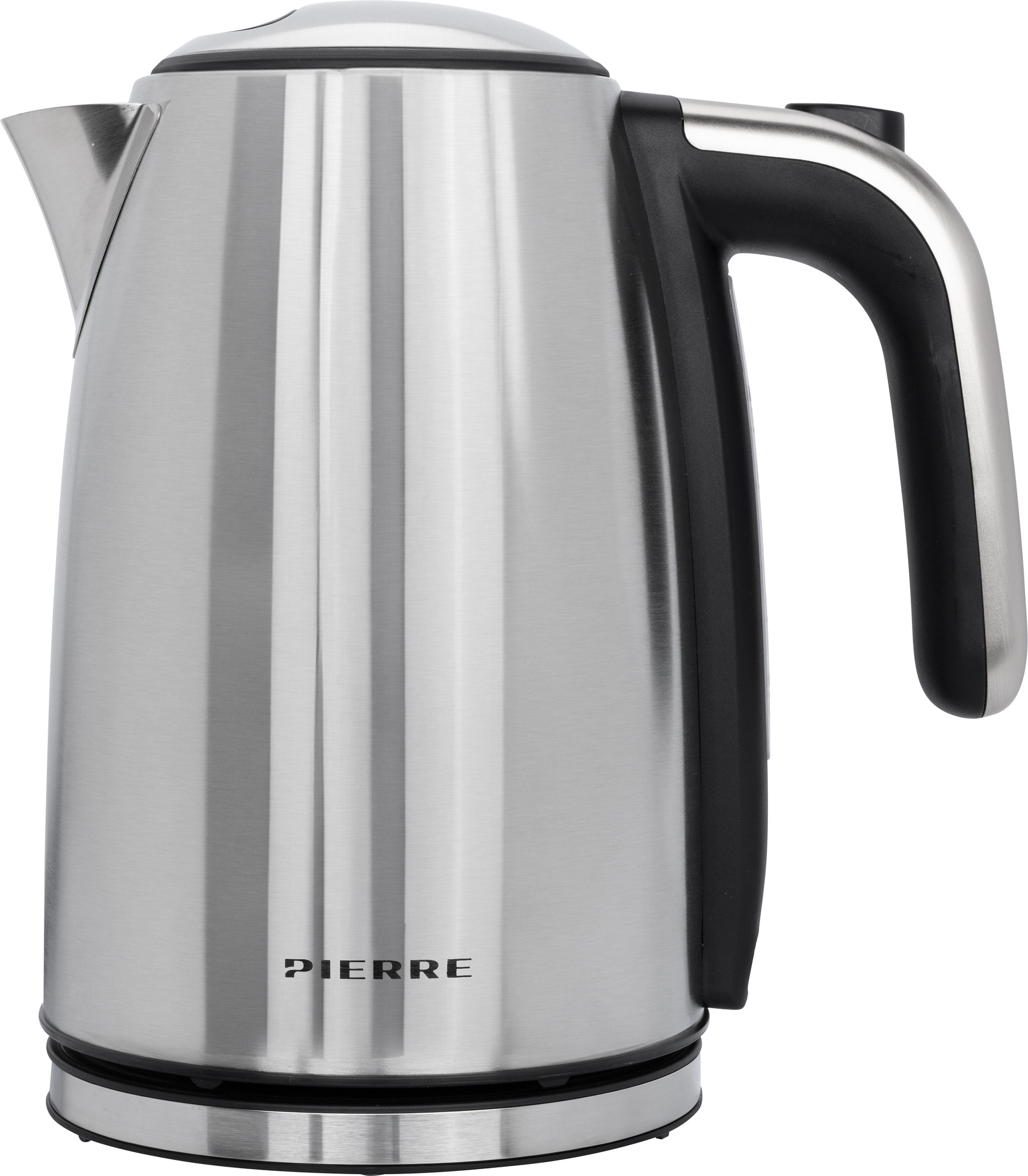
Pierre Waterkoker PWK3000
A plain 1.7 litre kettle: the capacity that matters most for a crowd, at the lowest outlay. It has no temperature control, so it suits black tea.
1.7 litre capacity · 2200 W · Metal body
Making one cup of tea is easy; making forty is a kettle problem. The tea is simple, one bag per cup, but a kettle holds about a litre and a half and needs around five minutes to boil it, so the water sets your timing.
This planner works out the hot water, the bags, the number of boils and the start time for any crowd, with a strong-then-top-up option, plus how to stop the tea stewing and what to look for in a kettle.
Making one cup of tea is easy. Making forty is a logistics problem. The tea itself barely changes: one bag per cup. What changes is the water. A kettle holds about a litre and a half, a cup holds a quarter of a litre, and a kettle needs around five minutes to boil a full load. At a gathering of any size, the kettle is the bottleneck, not the tea.
This planner does the sums. Set the number of guests, the cup size and your kettle, and it tells you how much hot water you need, how many bags, how many boils and when to start.
The UK Tea & Infusions Association's advice for black tea is one tea bag, or one rounded teaspoon of loose leaf, per cup, in water at 90 to 98°C for about three to four minutes. That scales directly: forty cups means forty bags. There is no clever discount for a crowd, and trying to stretch the bags is how people end up with weak tea and a sulk.
The same guidance says to add milk after brewing, and to use fresh water rather than water that has been boiled several times. Both matter more when you are making a lot, because a big pot of reboiled water and early milk is a lot of flat tea.
Heating water takes a fixed amount of energy: about 4.2 joules to warm one gram of water by one degree. A full 1.7 litre kettle taking tap water from about 15°C to boiling needs roughly 600,000 joules. A 2200 watt element delivers 2200 joules every second, so even at perfect efficiency that is over four minutes. Real kettles take a little longer.
A bigger kettle is not faster. It holds more, and takes proportionally longer to boil it.
So the number of litres you need decides your waiting time, not the kettle's size. Two kettles halve the wait. A hot water urn or an insulated flask lets you boil early and serve later, which is the usual way to cope with a big group.
Black tea keeps extracting for as long as the leaf sits in the water. Past the three to five minute window, you get more tannin and more bitterness, and the cup gets harsher and drier. For one mug that means lifting the bag. For a crowd it means using a pot or urn where you can lift the whole lot out at once: a bag-filled infuser basket, a muslin bag of loose leaf, or bags tied together on a string and pulled out together.
Then keep the tea hot without stewing it. Pour it off the leaf into a warmed jug or flask and keep that lidded. Steeping and holding are different jobs, so give them different containers.
The planner's second method is a common shortcut for large groups. Brew the same number of bags in half the water, so you need a pot half the size, then top up with fresh hot water from the kettle when you pour. The kettle sums do not change, because you still heat the same total water, but you need less brewing space. The catch is that strength is a judgement. Taste a cup first, and top up in steps. The shortcut suits black tea with milk. It is less suited to green or white tea, which want cooler water and a closer eye on timing.
Black tea has caffeine, usually less than a cup of filter coffee but far from none, depending on the tea and how long it brews. That is fine for most people at tea time, but some will be avoiding it, and some will be there late in the evening. Put out a second pot of herbal tea or decaffeinated tea, brewed the same way, and a jug of cold water. It costs you one more kettle boil and it spares your guests from having to ask.
Capacity comes first, because every extra litre saves a boil. Look for a kettle with a clear maximum fill line and a lid you can open wide enough to fill it from a jug. Wattage is second: a higher figure heats faster, but it makes only a modest difference, so do not pay extra for it. Third is temperature control, which lets you serve black tea at a full boil and then drop to a lower setting for green or herbal tea, without waiting for the kettle to cool. Finally, check the body: a limescale filter and a wide spout make a long session of refilling less annoying.
Affiliate links, marked sponsored. We may earn a commission at no extra cost to you. Kit for this drink at three prices. Prices checked 19 Nov; every shop is on each product page.
A plain 1.7 litre kettle: the capacity that matters most for a crowd, at the lowest outlay. It has no temperature control, so it suits black tea.
1.7 litre capacity · 2200 W · Metal body
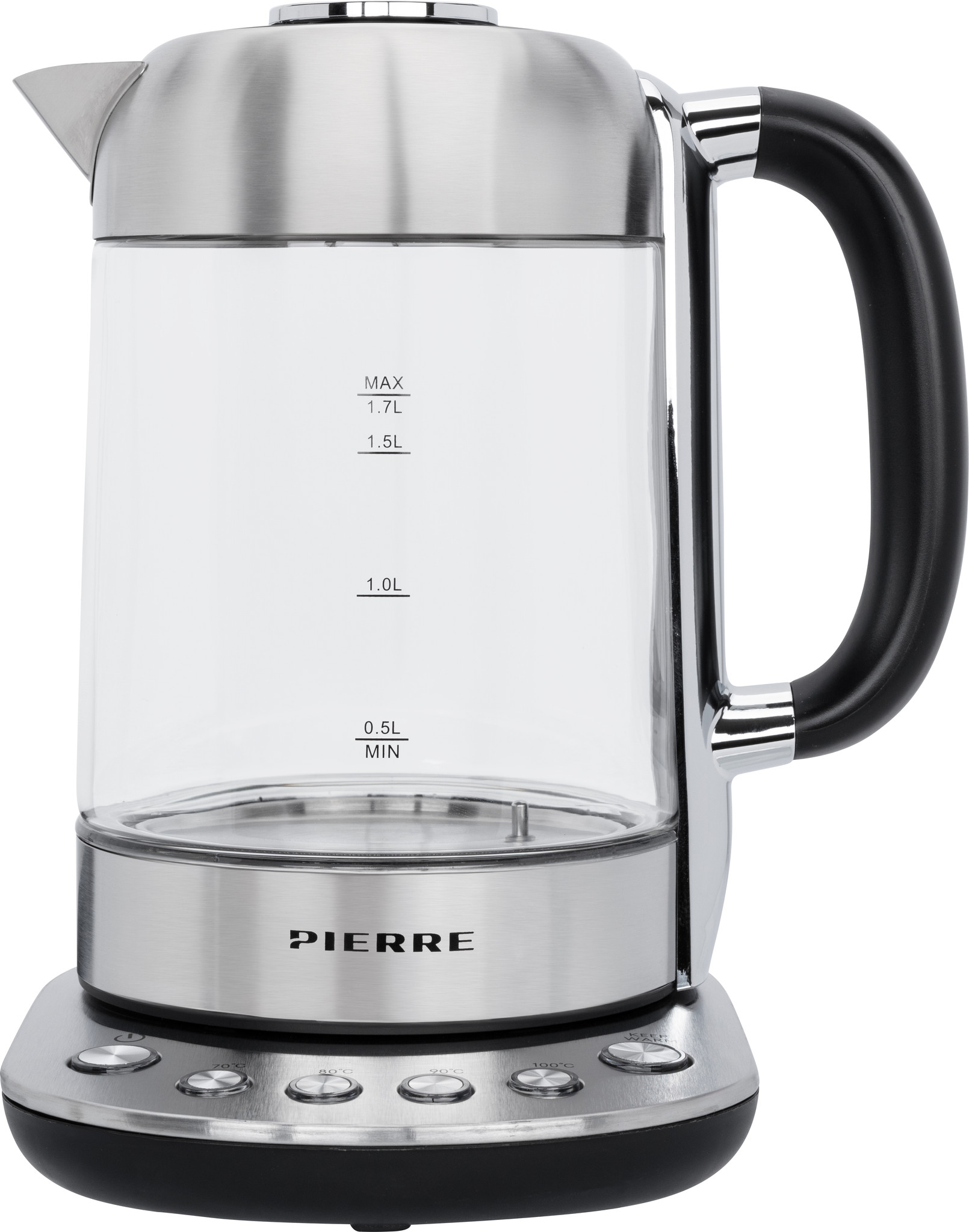
Same 1.7 litre size, with adjustable temperature so you can serve black tea at the boil and then drop for green or herbal tea without waiting.
1.7 litre capacity · Adjustable temperature · Glass body
A 1.7 litre kettle that looks at home on a serving table. You pay for the design; the capacity is the same as the cheaper picks.
1.7 litre capacity · Retro styling · Black finish